
How to Choose a Hairstyle That Suits Your Lifestyle, Budget and Hair Needs
Posted in :

The perfect hairstyle is not just about what looks good in a picture. It should fit your daily routine, work with your budget and meet the needs of your hair. A style that looks beautiful but takes hours to maintain may not be practical for your schedule, while an affordable option that puts too much tension on your hair may not be worth the cost.
Whether you prefer natural hairstyles, braids, wigs, twists or relaxed looks, choosing the right style starts with understanding what works for you. Here is how to find a hairstyle that makes you feel confident without creating unnecessary stress for your hair or your wallet.
1. Start with Your Lifestyle
Before choosing a hairstyle, think about how you spend your days. Your work, school, exercise routine, social activities and personal preferences can all influence which styles are practical for you.
For Busy Schedules
If your days are packed with work, school, family responsibilities or other commitments, consider a hairstyle that requires minimal daily styling.
Options such as medium-length knotless braids, two-strand twists, simple natural updos and well-maintained wigs can reduce the time you spend styling your hair each morning.
However, remember that a low-maintenance appearance does not mean no maintenance. Braids still require scalp cleansing and careful removal, natural hairstyles need moisture and detangling, and wigs need regular cleaning and proper storage.
What to consider: How much time can you realistically dedicate to your hair each morning and each week?
For Active Lifestyles
If you exercise regularly, play sports or spend a lot of time outdoors, choose a hairstyle that stays comfortable during movement and is easy to manage after sweating.
Short natural styles, secure low-tension braids, twists and suitable ponytail styles may work well. If you wear a wig, consider how securely it fits and whether the construction suits your activity level.
Sweat and product buildup can accumulate around the scalp, so make sure your chosen style allows you to maintain good scalp hygiene.
What to consider: Will the hairstyle remain comfortable during exercise, and can you clean your scalp properly while wearing it?
For Professional or Formal Settings
Your workplace, profession or usual social environment may influence your hairstyle choices. Some people prefer polished styles for formal settings, while others have the freedom to experiment with colour, length and creative designs.
Sleek buns, neat cornrows, medium-length twists, natural updos and well-styled wigs can all create a polished appearance. The best option depends on your preferences and any relevant workplace requirements.
You do not have to choose a plain hairstyle to look professional. Intricate braids, natural curls and colourful styles can also look refined when they are well maintained and appropriate for your environment.
What to consider: Do you need a style that transitions easily from work to social events, or do you prefer changing your hairstyle for different occasions?
For Frequent Travellers
Travelling can make hair maintenance more challenging, especially when you have limited luggage space or access to your usual salon.
A style that remains manageable for several weeks may be useful if you travel frequently. Braids, twists and some natural updos can be practical options, provided they are installed comfortably and maintained properly.
If you prefer wigs, choose one that is easy to pack and style. Remember to bring the products and accessories you need to care for your hair and scalp.
What to consider: Will you have the time, products and facilities needed to maintain the hairstyle while travelling?
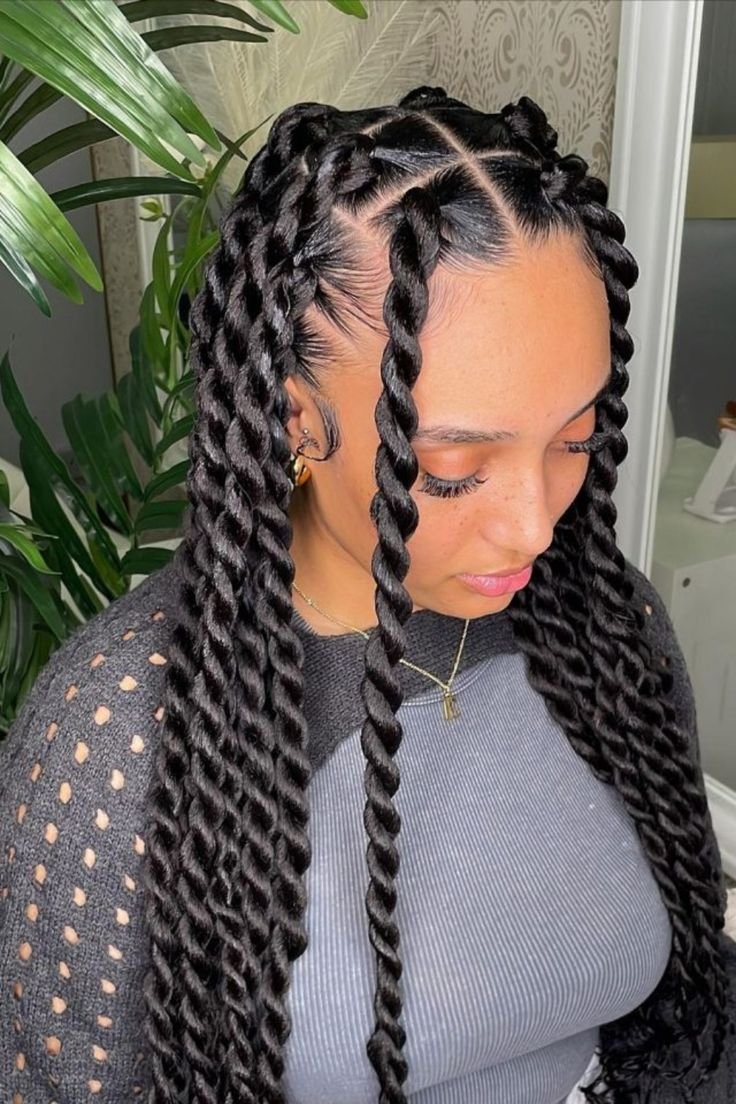
2. Consider How Much Maintenance You Can Manage
Two hairstyles may look equally beautiful but require very different levels of care. Be honest about how much effort you are willing to put into your hair.
Low-Maintenance Options
If you prefer a simpler routine, consider:
- Short natural hairstyles that require relatively little daily styling.
- Medium-length braids or twists that are comfortable and easy to arrange.
- Simple natural updos that can be refreshed without starting from scratch.
- Wigs that suit your lifestyle and can be maintained without an elaborate daily routine.
The amount of maintenance required will still depend on your hair texture, the style you choose and the products you use.
Styles That Require More Attention
Some hairstyles demand more time and frequent touch-ups. These may include elaborate natural styles, intricate braided designs, styles with loose curls and wigs that require heat styling or regular restyling.
For example, boho braids can look soft and voluminous, but the loose curls may tangle and require gentle separation. A twist-out may create beautiful definition, but preserving the shape overnight can take extra effort.
These styles are not necessarily less practical. They simply require a maintenance routine that matches your schedule.
Make a Realistic Maintenance Plan
Before committing to a hairstyle, ask yourself:
- How long will styling take each morning?
- How often will I need to wash, moisturise or refresh it?
- Will I need regular salon visits?
- Do I already own the products and tools required?
- Am I comfortable with the effort involved in removing the style?
If the routine feels unrealistic before installation, you may want to consider a simpler alternative.
3. Set a Hairstyle Budget Before You Choose
Your budget should include more than the initial salon appointment. Depending on the style, you may also need extension hair, wigs, styling products, tools, accessories and maintenance appointments.
A hairstyle that appears inexpensive initially can become costly if it requires frequent touch-ups or specialised products.
Understand the Full Cost
Consider these expenses before making your decision:
| Expense | What to include |
|---|---|
| Installation | Braider’s or stylist’s fee |
| Hair or extensions | Braiding hair, crochet hair, wigs or other additions |
| Products | Shampoo, conditioner, moisturiser and styling products |
| Tools and accessories | Combs, bonnets, clips and other essentials |
| Maintenance | Touch-ups, restyling or replacement products |
| Removal | Takedown fees or products needed to remove the style safely |
Not every hairstyle requires all these expenses. Natural styles may use products and tools you already own, while some extension styles require additional hair and installation costs.
Choose a Style That Fits Your Actual Budget
If your budget is limited, consider styles that use fewer extensions, require less frequent salon maintenance or can be managed at home with products you already have.
For example, a simple two-strand twist style using your natural hair may cost less to install than long extensions. However, the total cost will depend on whether you do it yourself, visit a professional or need to purchase new products.
You can also adjust the length, size or complexity of a style to make it more affordable.
Budget tip: Decide your maximum spending limit before booking an appointment. Ask for the total estimated cost, including any extra charges, so you can make an informed choice.
Think About Cost Per Wear
A higher initial cost does not always mean a hairstyle is more expensive in the long run. A style that remains suitable for several weeks may offer better value than one that needs frequent professional restyling.
However, longevity should never be the only consideration. A hairstyle that lasts longer but causes scalp discomfort or damages your hair is not a good investment.
Consider the full cost alongside comfort, maintenance and suitability for your hair.
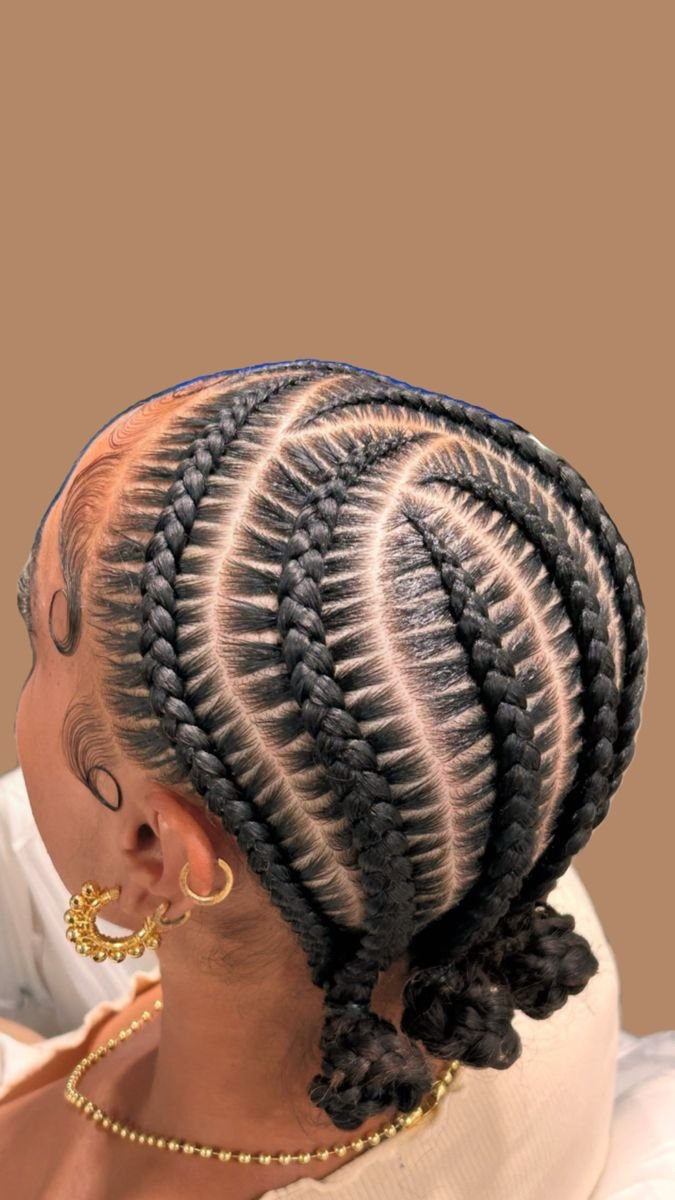
4. Understand Your Hair’s Needs
Your hair’s condition should be a major factor in choosing a hairstyle. A style that works beautifully for someone else may not be suitable for your current hair length, strength or scalp condition.
Consider Your Hair Texture
Hair texture can influence how a style looks, how easily it can be installed and the maintenance it requires.
Natural curls and coils, for example, can be styled into twist-outs, braid-outs, puffs, wash-and-go styles and other textured looks. Braids, twists, wigs and extensions also offer options for people who prefer added length or variety.
Your texture does not limit you to a particular category of hairstyle. Instead, it helps you understand which techniques and products may work best for your hair.
Consider Your Hair Length
Your current hair length can determine which styles are practical without extensions.
Short natural hair may suit compact twists, short cornrows, finger coils and other styles designed for shorter lengths. Longer hair may offer additional options for buns, puffs, braid-outs and more elaborate updos.
Extensions can provide extra length, but they should be installed with care. Added hair that is too heavy can put unnecessary stress on your natural hair.
Pay Attention to Hair Strength and Breakage
If your hair breaks easily, feels fragile or has thinning areas, prioritise styles that minimise tension and excessive manipulation.
Avoid choosing a hairstyle solely because it is trending. Very tight braids, heavy extensions and repeated pulling around the hairline can contribute to breakage and traction alopecia.
Consider lower-tension alternatives, manageable lengths and gentle styling techniques. If you have persistent or unexplained hair loss, seek advice from a qualified healthcare professional or dermatologist.
Think About Your Scalp Condition
Your scalp also deserves consideration when choosing a hairstyle. If you experience itching, irritation, flaking or tenderness, think carefully about styles that make cleansing difficult or place pressure on affected areas.
A hairstyle should not cause persistent pain, bumps or headaches. If you experience these symptoms after installation, ask your stylist to loosen or remove the style.
If scalp symptoms persist or worsen, seek professional medical advice rather than attempting to manage the problem through hairstyling products alone.
5. Decide Whether You Want a Protective Hairstyle
Protective hairstyles can help reduce daily manipulation, but not every protective style is suitable for every person.
Braids, twists, cornrows, wigs and tucked natural updos may help keep hair organised and reduce handling when installed and maintained appropriately.
However, the term protective hairstyle does not guarantee that a style will protect your hair. Excessive tension, heavy extensions, poor scalp hygiene and rough takedown can all contribute to damage.
When Protective Styling May Be Useful
You may find protective styling helpful if you want to:
- Reduce the amount of daily manipulation your hair receives.
- Experiment with different lengths and looks using extensions.
- Keep your hair organised during a busy period.
- Reduce repeated heat styling.
- Support length retention by limiting unnecessary breakage.
Remember that protective styling does not directly make hair grow faster. Hair grows from the follicles, while good hair-care practices can help you retain more of the length you grow.
Choose a Style That Allows Proper Care
Before selecting a protective style, consider whether you can still clean your scalp, moisturise your hair as needed and remove the style without excessive pulling.
Avoid leaving a style in simply because you want to maximise its wear time. If it becomes uncomfortable or begins to cause damage, remove it.
For more inspiration, explore our guide to 15 Protective Hairstyles for Natural and 4C Hair.

6. Choose a Hairstyle That Matches Your Personal Style
Practicality matters, but your hairstyle should also reflect your personality. You are more likely to enjoy a style when it feels like an authentic expression of your taste.
If You Prefer a Classic Look
Consider neat straight-back cornrows, medium-length twists, simple buns or natural hairstyles with defined shapes.
These options can be adapted for different settings through changes in length, parting and accessories.
If You Love Bold, Trendy Styles
You may enjoy boho braids, colourful extensions, intricate cornrow patterns, statement wigs or creative natural hairstyles.
Before committing, consider how much maintenance the style requires and whether the cost fits your budget.
If You Prefer a Natural, Understated Appearance
Wash-and-go styles, twist-outs, braid-outs, flat twists and simple natural updos may suit your preferences.
These styles can highlight your natural texture without requiring extensions, although the time and products needed will vary.
If You Like Changing Your Look Frequently
Wigs and some temporary styling options can provide variety without requiring you to commit to a new braided style every time.
However, your natural hair still needs proper care underneath. Choose a wig setup that fits comfortably and avoid excessive tension from tight attachment methods.
7. Consider the Weather and Your Environment
Your environment can influence how well a hairstyle holds up and how much maintenance it requires.
In hot or humid conditions, you may prefer styles that feel comfortable, are easy to refresh and do not require constant restyling. Sweat and humidity can affect some hairstyles, particularly those that depend on a precise finish or defined curls.
If you live in a dusty environment or spend considerable time outdoors, consider how easily your scalp can be cleaned and how much protection your hairstyle offers from friction and environmental exposure.
Your climate should not dictate your hairstyle completely. It is simply another practical factor to consider alongside your personal preferences and hair needs.

8. Think About the Occasion and How Long You Need the Style
Some hairstyles are ideal for everyday wear, while others are chosen for weddings, birthdays, graduations, holidays and other special occasions.
If you need a hairstyle for a specific event, consider how it will look with your outfit, how long you need it to last and whether it will remain comfortable throughout the day.
For a short event, a natural updo or temporary styling option may be sufficient. If you want a style for several weeks, braids, twists or a suitable wig may be more practical.
Avoid choosing a style that requires extensive daily restyling if you have limited time. Equally, do not commit to a long-term protective style solely for a one-day occasion unless it also fits your longer-term needs.
9. Use This Simple Checklist Before Choosing a Hairstyle
Before booking your next appointment, consider the following questions.
- Does this hairstyle fit my daily routine?
- Can I afford the installation and ongoing maintenance?
- Is the style suitable for my hair’s length and current condition?
- Can I maintain my scalp and hair while wearing it?
- Is the expected weight and tension manageable?
- Do I have the products and tools needed to care for it?
- Will I feel confident and comfortable wearing it?
- Do I understand how to remove it safely?
If you answer “no” to several of these questions, consider modifying the style rather than abandoning it completely. A shorter length, fewer extensions or a simpler pattern may make it more practical.
Frequently Asked Questions About Choosing a Hairstyle
How Do I Know Which Hairstyle Suits Me Best?
Start with your lifestyle, hair condition, budget and personal preferences. Consider how much time you can spend on maintenance, whether the style works with your natural hair and how comfortable it will be for everyday activities. Reference photos can help you communicate your preferences to a stylist.
Which Hairstyle Is Best for Low Maintenance?
There is no single best option for everyone. Short natural styles, simple twists, manageable braids and suitable wigs can all work for people who prefer less daily styling. The right choice depends on your hair, the installation method and how much maintenance you are willing to do.
Should I Choose a Hairstyle Based on Trends?
Trends can provide inspiration, but they should not be your only consideration. A hairstyle should also suit your hair’s condition, your budget and your lifestyle. You can adapt a trending look by changing its length, braid size or complexity to make it more practical.
How Much Should I Spend on a Hairstyle?
Set a budget based on what you can comfortably afford. Include installation, extensions, products, maintenance and removal where applicable. Prices vary by location, stylist, hair type and style complexity, so request a full estimate before booking.
Can a Protective Hairstyle Help My Hair Grow?
A protective hairstyle does not directly accelerate hair growth. However, a well-maintained, low-tension style may help you retain length by reducing breakage and excessive manipulation. Tight or heavy styles can have the opposite effect.
Should I Choose a Hairstyle Based on My Face Shape?
Face shape can be one consideration if you want a particular visual effect, but it should not be treated as a strict rule. Parting, length, volume and how you prefer to frame your face may influence your choice. Comfort, hair health and personal preference are equally important.
Final Thoughts
Choosing the right hairstyle involves more than finding an attractive picture online. It means balancing your lifestyle, budget, hair condition and personal style to find an option you can enjoy and maintain.
Before making your decision, think about the time you have available, the full cost of the hairstyle and what your hair needs to remain healthy. Discuss any concerns with your stylist, especially if you have fragile hair, thinning edges or scalp sensitivity.
The best hairstyle is not necessarily the most expensive or the trendiest. It is the one that makes you feel confident, fits your everyday life and allows you to care for your hair properly.


